

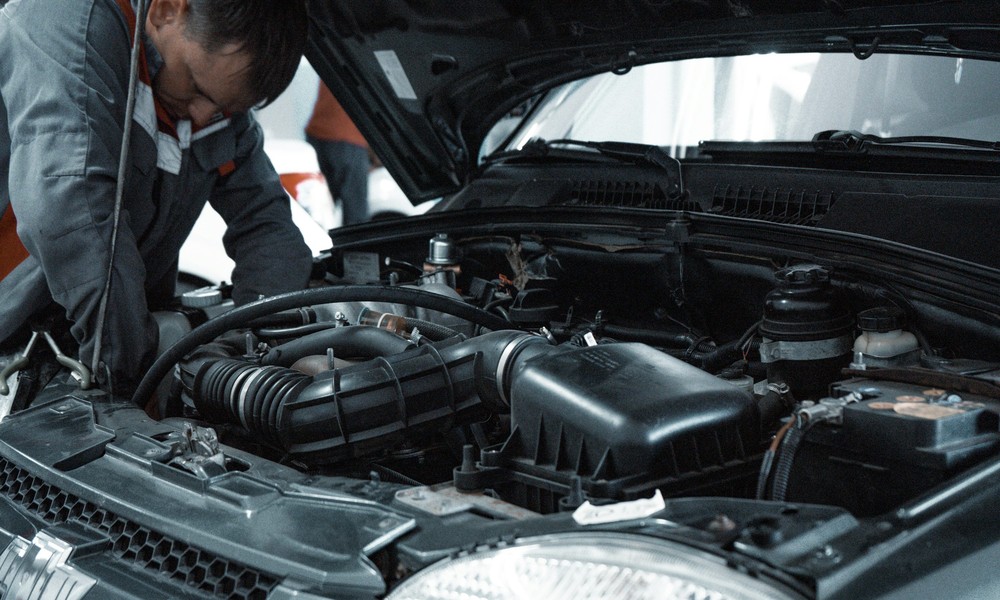
The desert climate presents extreme temperature swings every single day. The sun bakes the sand during the long afternoon hours. Then the air turns very cold once the sun sets. These rapid changes create a harsh environment for any vehicle. Engine oil must handle these shifts to protect the metal parts. This article explores the science of oil behavior in desert conditions.
The Science of Fluid Thickness
Thin oil flows quickly like water across a flat surface. Temperature dictates exactly how thick or thin the fluid becomes. Heat makes the molecules move faster and spread apart widely. Cold temperatures cause the molecules to clump together very tightly. Now Caliber Auto Repair helps drivers understand these basic physical principles for better care. The oil must stay thin enough to move during start up. However, the fluid needs enough body to coat the engine parts.
Heat Stress During the Daylight Hours
The morning sun brings a swift rise in the ambient temperature. The engine must transition from freezing cold to intense heat. Thin oil provides better cooling properties during the hot afternoon. But the fluid cannot become too thin under heavy loads. Very thin oil fails to maintain a strong physical barrier. This leads to increased wear on the pistons and the cylinders. High quality synthetic blends offer the best protection for this cycle. Caliber Auto Repair recommends specific oil grades for these demanding environmental shifts. Consistent viscosity ensures the motor runs smoothly throughout the entire day.
The Role of Modern Chemical Additives
Manufacturers include special additives to control the flow of the oil. These chemicals expand and contract based on the outside temperature. They prevent the oil from thinning out too much during heat. They also stop the fluid from freezing into a thick gel. These polymers act like tiny springs inside the liquid mixture. Proper maintenance ensures these additives remain effective over many miles. Old oil loses the ability to manage these radical thermal changes. You should seek Auto Repair in El Cajon, CA for regular service. Fresh oil provides the chemical stability required for the harsh desert.
Maintaining Your Vehicle for the Climate
Owners must check the oil levels and the clarity often. Dusty desert air also introduces fine particles into the system. These contaminants mix with the oil and change the flow rate. Gritty oil acts like sandpaper on the delicate engine valves. Regular filter changes help keep the lubrication system very clean. Caliber Auto Repair provides the necessary expertise for maintaining cars in dry regions. Choosing the right oil grade saves money on expensive engine repairs. You should follow the manual for the best seasonal oil choices. Consistent care keeps the vehicle reliable during the coldest desert nights.