

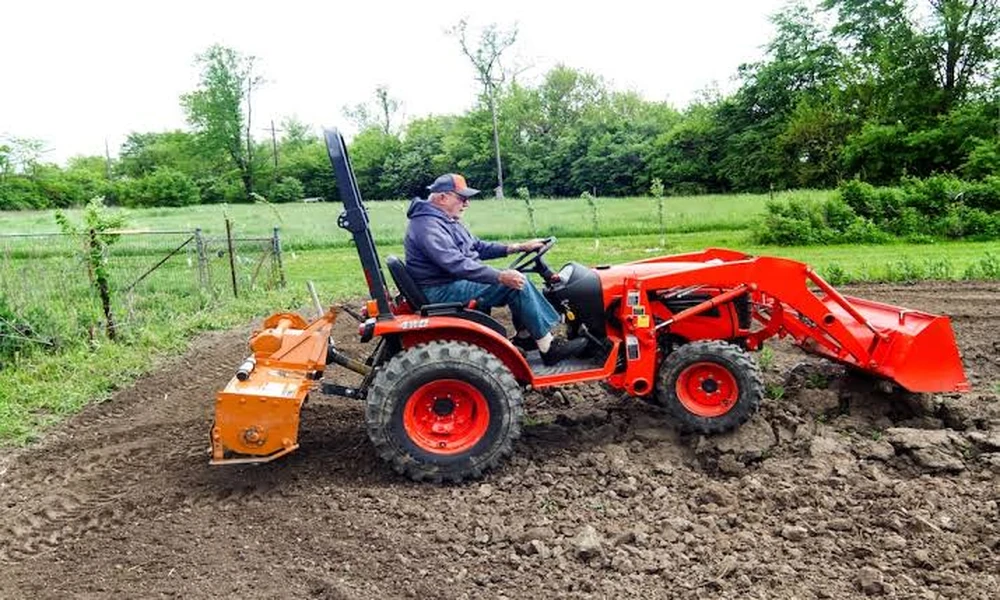
When it comes to picking a subcompact tractor for long-term gains, there are some factors you may want to consider. For small properties, gardens, lawns and landscaped areas, a subcompact tractor can be an asset. It is important to consider a machine, however, by just price or horse power, may cause some problems later on. By taking into account the capabilities, operating conditions, maintenance requirements, and long-term costs of the tractor, buyers can make an informed choice that ensures value over time.
Before making a final decision, it is helpful to compare how different models perform in real property conditions and how well their features align with your routine needs. Reviewing Subcompact Tractor Know Insights can provide useful guidance on factors such as size, versatility, operating comfort, attachment options, and overall ownership value. This broader perspective can help buyers look beyond the initial purchase price and select a machine that offers dependable performance, practical functionality, and flexibility as their property needs change over time.
Assess Your Property
The first step is measuring the space and space plan. Take into account slopes, narrow paths, gates, trees, buildings, garden beds and other obstructions. A tractor should be easily manoeuvrable, but powerful enough for the job. A knowledge of the ground may also help to determine if extra traction or specialised equipment might be needed.
List Your Daily Routines
Consider the most frequent tasks the tractor will be used to do. Common jobs might involve mowing, hauling items, moving soil, driveway maintenance, picking up garbage or garden preparation. These are necessary to consider when picking the specifications and when buying a machine as they help to avoid buying a machine with specifications that are not needed or required.
Evaluate Engine Power
The power of the engine should be proportionate to the load. Some jobs may not be as demanding as others, such as ground-engaging implements or heavy materials, and may require less power for preliminary light property maintenance. An increase in horsepower does not always mean better performance. Use of an appropriately powered tractor when considering current and reasonably foreseeable future operations can offer improved tractor capability, efficiency and cost.
Attachments and Compatibility are important factors to take into account.
Attachments can greatly increase the versatility of a subcompact tractor. This can range from front loaders, mower decks, tillers, rear blades and other implements. When buying, check what attachments fit and how they can be installed, removed and stored on the tractor.
Capacity for Lifting and Operating
If moving soil, mulch, firewood or other materials, check the capacities of the loader and three-point hitch. Conventional loads should be carried safely without loss of stability, using the tractor. It helps to know what these machines are capable of in advance to avoid performance restrictions and undue stress.
Make comfort and safety a top priority.
A comfortable operator will work more efficiently and will be safer. Think of seats, visibility, control location, easy access and steering. Care should also be taken with the safety features, especially if the tractor is to be operated on sloping terrain or in rough conditions.
Review Maintenance and Service Support
Sustained performance is dependent on the frequency of maintenance. Look at suggested service periods, parts availability, parts warranties, and qualified technician availability. Selecting a model that has a reliable local service network can make servicing easier in the future and limit downtime.
Determine TOC.
Purchase price is just a portion of the investment. Cover the costs of attachments, fuel, maintenance, repair, storage etc. and other running expenses. The total ownership cost is more indicative of long-term value than the up-front cost alone.
Conclusion
You must plan carefully if you want to buy a subcompact tractor to last for a long time. The evaluation of the property, identification of tasks, matching of engine power, attachment capacity, safety, service support and calculation of ownership costs allow the customer to choose an appropriate tractor that can serve him for many years and be useful in use.