

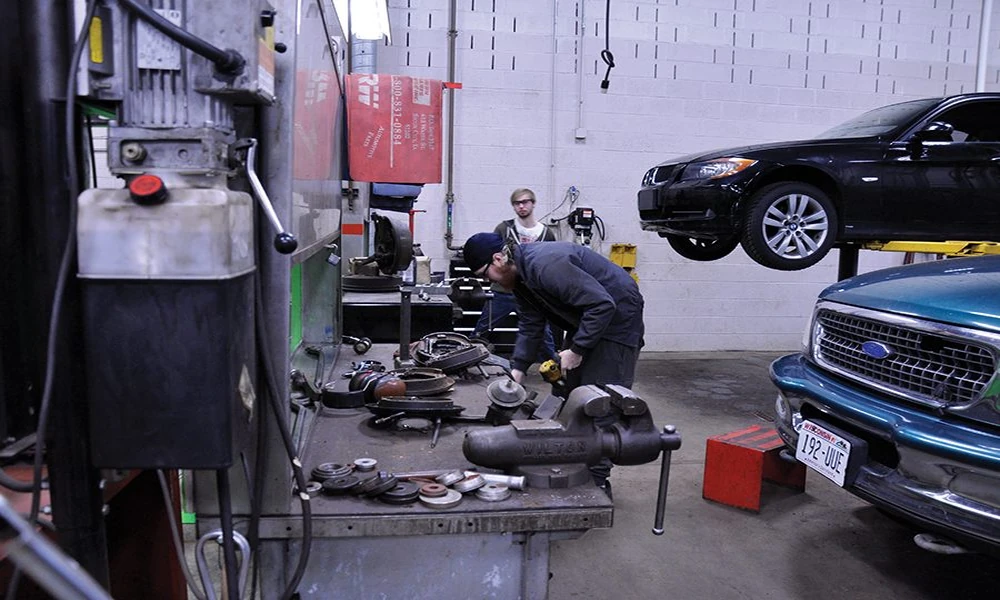
Transmission fluid pressure controls several important movements inside an automatic transmission. The hydraulic system depends on correct pressure for smooth gear engagement. When pressure becomes unstable the transmission may shift harshly or hesitate. Sometimes the vehicle may struggle before selecting the intended driving gear. So fluid pressure deserves attention when unusual gear changes appear suddenly. Proper diagnosis can prevent minor hydraulic concerns from developing into serious transmission damage.
How Fluid Pressure Controls Gear Engagement
Low pressure can prevent clutches from applying with sufficient force. The resulting engagement may feel delayed or unusually soft during acceleration. Excessive pressure can create harsh engagement that feels abrupt inside the cabin. Therefore pressure balance remains essential for comfortable and reliable transmission operation. Autocheck can inspect transmission behavior when shifting becomes increasingly inconsistent.
Low Pressure Can Cause Delayed And Slipping Shifts
This condition can indicate clutch slippage caused by inadequate hydraulic force. Continued slipping creates additional heat inside the transmission assembly. Excessive heat can accelerate wear across friction materials and internal components. So early professional inspection remains important when shifting delays become persistent. Autocheck can evaluate pressure related concerns before internal transmission damage becomes extensive.
Excessive Pressure Can Create Harsh Gear Changes
Faulty pressure control solenoids can contribute to these uncomfortable shifting conditions. Contaminated transmission fluid may also interfere with accurate valve movement. Internal valve body wear can further disturb normal hydraulic pressure regulation. However these symptoms can resemble other transmission faults during everyday driving conditions.
Fluid Condition And Leaks Can Change Pressure
Now even a small leak deserves attention when shifting behavior changes. Low fluid volume can prevent hydraulic circuits from maintaining proper operating pressure. The transmission may then produce delayed engagement or unpredictable gear changes. Autocheck can inspect fluid condition and identify possible leakage during professional servicing.
Professional Diagnosis Helps Identify Pressure Problems
A professional inspection helps distinguish pressure problems from worn internal transmission components. The correct diagnosis can prevent unnecessary replacement of expensive transmission parts. It can also identify problems before prolonged slipping creates severe internal wear.
Conclusion
Therefore unusual shifting should never be ignored when symptoms appear repeatedly. Early diagnosis can protect internal components from unnecessary heat and friction. Professional servicing also helps restore consistent hydraulic operation before damage becomes severe. Auto repair in Katy, TX service can provide suitable assistance for transmission pressure related concerns.
Frequently Asked Questions
Can pressure problems affect only one gear?
Yes. A restricted hydraulic passage can sometimes affect a specific gear circuit.
Can incorrect fluid cause pressure instability?
Yes. Unsuitable fluid may alter hydraulic behaviour and interfere with precise valve operation.
Does a transmission filter influence pressure?
A restricted filter can limit fluid circulation and contribute to inconsistent hydraulic pressure.
Can pressure problems appear only after warming?
Yes. Fluid viscosity changes with temperature and may expose developing hydraulic weaknesses.
Can electronic faults imitate pressure problems?
Yes. Faulty solenoids can create shifting symptoms that closely resemble mechanical pressure problems.