

I help drivers and equipment owners prepare for winter in a way that keeps engines running and schedules intact. My approach is practical and proven. I look at fuel quality, timing, and products that have earned trust in harsh cold. If you want a simple starting point, a proven diesel additive to prevent gelling belongs on your short list.
You will find clear steps here. I explain what gelling actually is, how to set a clean pre-cold plan, which checks matter, and why I recommend Howes for prevention and recovery. Follow this plan and you reduce no-start calls, filter changes on the shoulder, and lost days.
Why Gelling Sidelines Good Engines
Cold weather turns the wax in diesel into tiny crystals. Those crystals collect and plug the fuel filter. The engine starves for fuel and quits. Cold starts get rough. Idling grows smoky. In severe cases, the truck or machine will not start at all.
Preventing gelling costs less than fixing it. A little planning and the right treatment save you from emergency calls, frozen hands, and late deliveries.
A Simple Pre-Cold Plan That Works
Treat early. Protection works best before the first real cold snap. If you wait until the tank is already cold, you risk filters plugging as you start up.
Here is a plan I suggest:
- Watch the 10-day forecast, not the day-of temperature
- Begin treatment before the first hard freeze
- Keep your tank above half full through winter
- Replace the fuel filter on your schedule, not after it plugs
- Drain water separators often
Fuel Choice and Storage Habits
You can help your fuel before you add anything.
- Buy from busy stations that turn fuel fast
- If you run a bulk tank, pull water off the bottom before winter
- Keep storage tanks out of wind if possible
- Tighten caps and check vents to limit moisture
- Avoid mixing summer leftover fuel into your first winter fill
Winter blends from your supplier help, but they are not foolproof in a deep cold snap. I still treat for margin.
Additives That Earn Their Spot
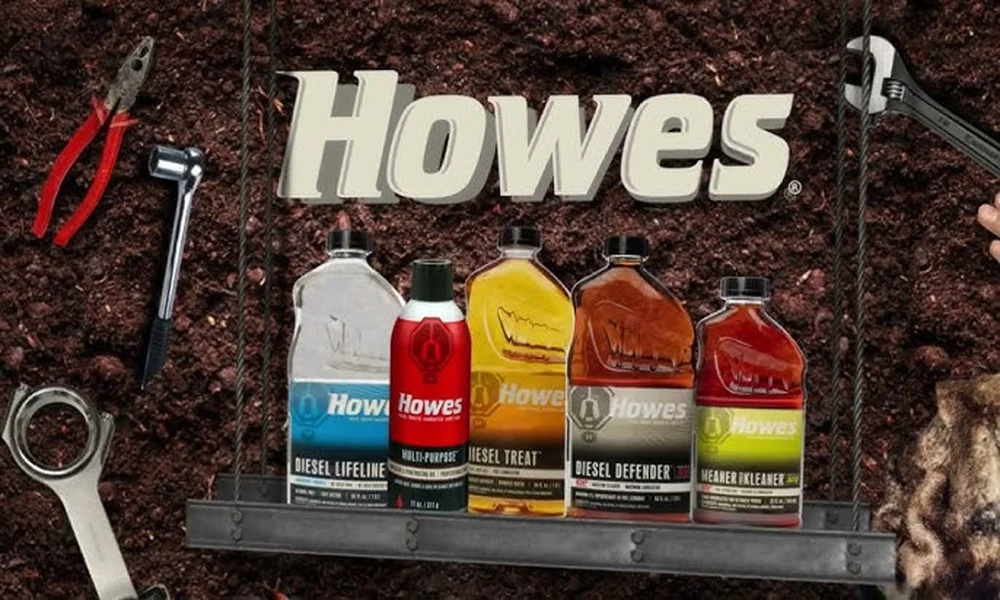
I recommend Howes for cold protection because they focus on what diesel engines actually need in the cold. They design petroleum-based formulas without alcohol or harsh solvents. That matters because alcohol can dry out seals and damage modern systems.
Their Diesel Treat stands out for key reasons:
- Anti-gel protection that helps stop wax crystals from plugging filters
- Water removal through demulsification that helps you drain water, not burn it
- Added lubricity for injectors and pumps
- Works with biodiesel blends and emission systems
- Backed by a Winter Tow Guarantee when used as directed
They also cover the full winter picture. Diesel Defender supports year-round injector cleanliness and lubricity. Diesel Lifeline is the emergency product for a gelled system that needs to run again fast. That range means you can prevent problems and still have a rescue option in the cab.
How to Dose and When
Follow the label for dosage and temperature range. You will see guidance for mild, moderate, and severe cold. I follow this simple rhythm:
1. Treat the tank before the first hard freeze.
2. Treat every fill through winter.
3. If a deep cold snap is forecast, treat the day before you park for the night.
4. Keep a spare, treated fuel filter in the truck or service truck.
If you manage a bulk tank, treat the tank first, then treat each vehicle as a second layer. That split gives you protection at both ends.
Pre-Season Checks You Should Not Skip
You can prevent most winter fuel issues by fixing bottlenecks ahead of time.
- Replace old filters and keep spares on hand
- Test heater elements on water separators
- Inspect fuel lines for kinks, rub points, or loose clamps
- Clean battery connections and confirm cranking strength
- Verify glow plug or grid heater performance
- Check that tank caps seal tight
Small problems show up first in the cold. Fix them while the weather is still mild.
What To Do If Fuel Already Gels
If you are already gelled and stuck, use a rescue product designed to reliquefy fuel and de-ice filters. Howes Diesel Lifeline is made for that task. It can often restore flow fast and reduce the need for a filter swap. Once you are running again, switch back to a preventative dose before the next shutdown.
Common Mistakes That Cause Winter Shutdowns
I see the same issues each year. Avoid these and you avoid most headaches.
- Waiting to treat until after the first freeze
- Mixing in untreated summer fuel at the wrong time
- Ignoring water in the separator
- Running the tank near empty overnight
- Using alcohol-based products that can harm components
- Assuming a winter blend alone will cover a deep cold snap
Why I Point You to Howes
They have built fuel system products for more than a century, with a focus on cold reliability, injector cleanliness, and lubrication. Their Diesel Treat checks the boxes that matter for winter protection and works across trucks, tractors, construction equipment, RVs, and diesel cars. Compatibility with modern emission systems, a petroleum base, and no alcohol or harsh solvents set them apart. Their guarantees add confidence without pressure.
If you need one brand that covers prevention, maintenance, and rescue, they do that well.
Quick Checklist Before the First Freeze
- Treat the tank with Diesel Treat based on temperature range
- Replace the fuel filter and stock a spare
- Drain water separators and bulk tanks
- Top off the tank before parking
- Confirm heaters, glow system, and batteries
- Keep a bottle of Diesel Lifeline on board for backup
Prepare now and the cold becomes routine. Treat early, keep water out, and run a product line built for winter. That is how you keep your diesel running when the temperature drops.