

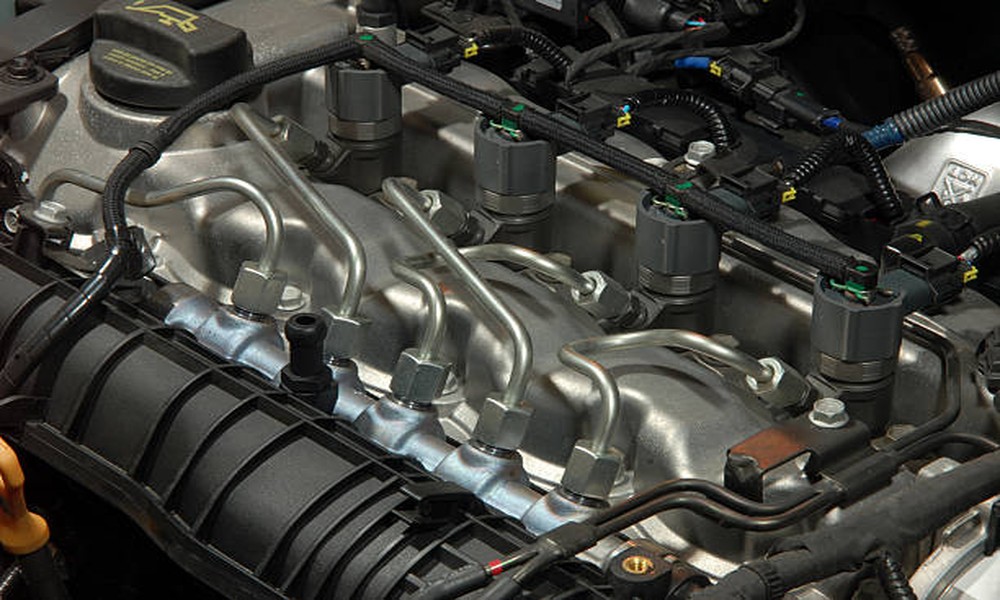
Fuel systems play a crucial role in ensuring that engines operate efficiently and reliably. When issues arise, many vehicle owners tend to postpone repairs, assuming the problem is minor or manageable. However, delaying fuel system maintenance can lead to far more serious consequences, both financially and mechanically.
Why Timely Repairs Matter
The fuel system is responsible for delivering the correct amount of fuel to the engine at the right pressure and time. Even a minor issue, such as a clogged filter or a weak fuel pump, can disrupt this balance and affect overall performance. Ignoring these early warning signs often allows small problems to escalate into serious damage. Understanding the risks of ignoring fuel injection issues highlights how neglect can lead to reduced efficiency, increased fuel consumption, engine misfires, and costly repairs that could have been avoided with timely maintenance.
Hidden Financial Costs
At first glance, delaying repairs might seem like a way to save money. In reality, it often leads to higher expenses over time:
- Increased Repair Costs
A simple issue like a dirty injector can escalate into damage to the fuel pump or engine components, resulting in costly repairs.
- Reduced Fuel Efficiency
A malfunctioning fuel system can cause the engine to consume more fuel, increasing daily operating costs.
- Unexpected Breakdowns
Ignoring warning signs can lead to sudden vehicle failure, which may require towing and emergency repairs.
Impact on Engine Performance
Delaying fuel system repairs does not just affect your wallet; it also impacts how your vehicle performs:
- Loss of Power
The engine may struggle to deliver the expected performance due to improper fuel supply.
- Rough Idling and Stalling
Inconsistent fuel delivery can cause the engine to run unevenly or stall unexpectedly.
- Hard Starting Issues
Problems in the fuel system can make it difficult to start the engine, especially in cold conditions.
Long-Term Engine Damage
One of the most serious risks of delaying repairs is permanent engine damage. Poor fuel delivery can lead to incomplete combustion, which may cause:
- Carbon buildup inside the engine
- Overheating of internal components
- Damage to pistons and valves
In extreme cases, this can result in complete engine failure, requiring a full engine replacement.
Environmental Consequences
A faulty fuel system also increases harmful emissions. Incomplete combustion releases more pollutants into the environment, contributing to air pollution. Maintaining the fuel system helps ensure cleaner and more efficient engine operation.
Preventive Measures to Avoid High Costs
Taking proactive steps can help you avoid the negative effects of delayed repairs:
- Regularly service your vehicle
- Replace fuel filters as recommended
- Use high-quality fuel
- Address warning signs immediately
Delaying fuel system repairs may seem harmless at first, but the long-term costs can be significant. From higher fuel consumption to severe engine damage, the risks far outweigh the short-term savings. Timely maintenance and prompt repairs not only protect your vehicle but also ensure better performance, efficiency, and reliability over time.