

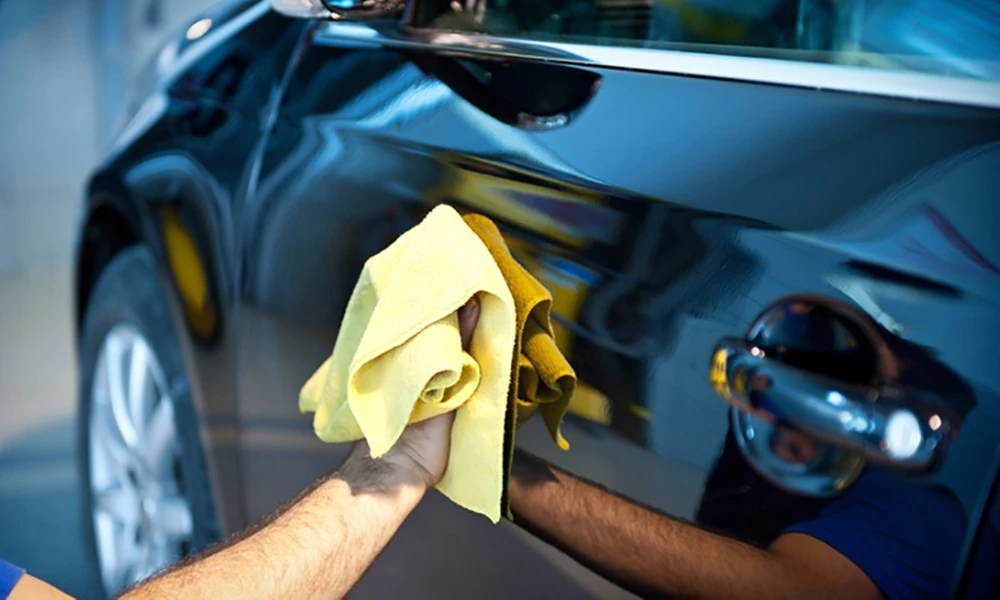
Surface Condition Comes First
The first question is whether the surface can be inspected clearly. Paint that is covered in road film, wheels that are packed with brake dust, and interior glass with a cloudy layer all make diagnosis harder. A good cleaning step is not only about appearance; it reveals what the installer is actually working with.
For that reason, detailing in Vaughan can be a useful first move when a vehicle has not been maintained consistently. After the cleaning, the owner can see whether they are dealing with normal dullness, bonded contamination, scratches, or damage that needs a different approach.
The Use Case Changes the Recommendation
A vehicle used for client visits, school drop-offs, deliveries, and weekend trips does not face one single problem. The exterior may need protection from road debris while the interior needs cleaning and the glass needs glare control. A detailer will usually ask how the vehicle is driven because the best upgrade is the one that fits routine exposure.
A garage-kept coupe may benefit from polishing and coating. A family SUV may need interior cleaning and tint first. A work vehicle may need practical exterior protection more than a showroom-style finish. The same inspection can lead to different recommendations depending on the owner’s daily reality.
Glass and Film Require Separate Thinking
Automotive glass, residential glass, and commercial glass each have different risks. Vehicle windows may be evaluated for tint or windshield protection film, while a storefront or office may need safety and break-in resistance. The logic is similar, but the product choice is not interchangeable.
For property owners, security window film in Vaughan is positioned around reinforced glass, shatter resistance, and added peace of mind. That is a different goal from making a car cooler or protecting paint from chips, so the surface and risk assessment have to match the setting.
A Good Recommendation Leaves Room for Tradeoffs
Protection work always has tradeoffs. Thicker film can offer more impact resistance but may not be necessary for every window. Ceramic coating can make maintenance easier, but it does not replace paint protection film on high-impact areas. Vinyl wrap can change the look of a car, but it still needs careful cleaning and realistic maintenance.
The expert approach is not to sell every service at once. It is to identify the weakest surfaces, choose the right order, and explain what each layer can and cannot do. A vehicle is protection ready when the owner knows the problem, the installer can see the surface, and the chosen upgrade fits the way the vehicle or property is actually used.