

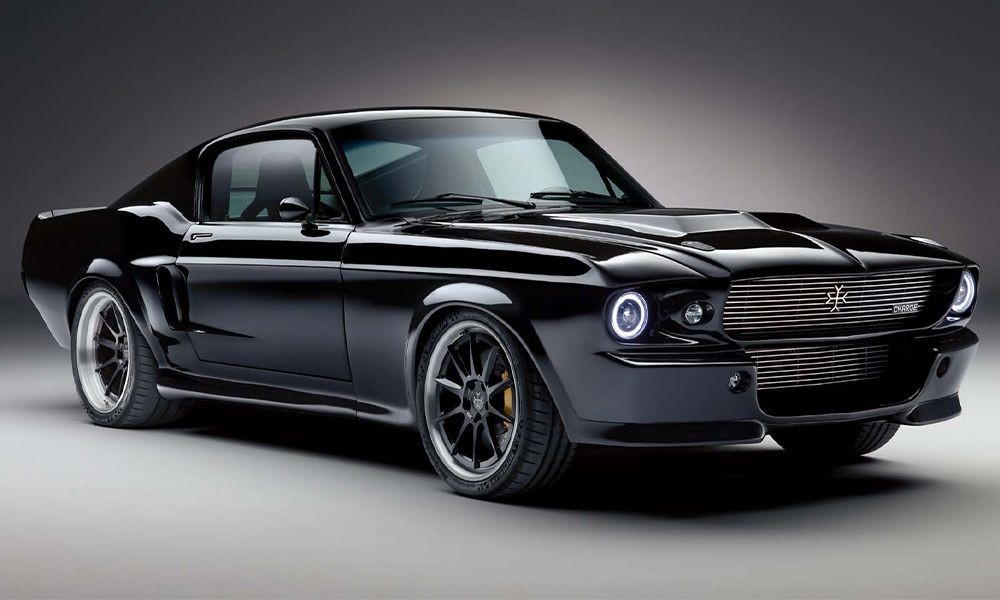
Classic vehicles have long been admired for their timeless design and historical value. However, their appeal was once limited by issues such as maintenance challenges, outdated features, and reduced reliability. Today, modern technology is transforming this perception by enhancing the functionality of classic cars while preserving their original charm. As a result, interest in these vehicles is growing among both seasoned collectors and new enthusiasts. Understanding the benefits of upgraded classic vehicles highlights how improvements in performance, safety, comfort, and reliability make them more practical for everyday use while maintaining their vintage appeal.
Bridging the Gap Between Old and New
Modern technology allows classic vehicles to retain their vintage appeal while benefiting from contemporary advancements. This balance makes them more practical without losing their identity.
Key improvements include:
- Integration of modern engines for better efficiency
- Updated electrical systems for reliability
- Improved cooling and fuel systems
These upgrades ensure that classic vehicles can perform effectively in today’s driving conditions.
Enhancing Safety and Reliability
One of the biggest concerns with older vehicles is safety. Many classic cars were built before modern safety standards were introduced. Technological advancements help address these concerns.
Upgrades often include:
- Advanced braking systems for better control
- Improved suspension for stability
- Enhanced lighting systems for visibility
These features make classic vehicles safer and more dependable for regular use.
Digital Tools and Smart Diagnostics
Technology has also simplified maintenance and restoration processes. Digital tools now allow mechanics and enthusiasts to diagnose and fix issues more efficiently.
Benefits of modern diagnostics:
- Faster identification of mechanical problems
- Access to detailed repair data and guides
- Reduced time and cost for maintenance
This makes owning a classic vehicle less complicated than it once was.
Access to Parts Through Advanced Manufacturing
Finding replacement parts used to be one of the biggest challenges for classic car owners. Today, advancements in manufacturing have made it easier to source components.
Innovations include:
- Using 3D printing to recreate rare or no-longer-produced components
- Improved supply chains for reproduction components
- Higher-quality materials for longer durability
These developments ensure that classic vehicles can be maintained more easily over time.
Improved Comfort and Convenience
Modern technology has also enhanced the comfort of classic vehicles. Owners can now upgrade interiors without compromising the original design.
Common additions:
- Air conditioning and climate control systems
- Modern audio and infotainment features
- Enhanced seating and insulation
These upgrades make driving classic vehicles more enjoyable, especially for longer journeys.
Expanding the Enthusiast Community
The rise of digital platforms and online communities has also contributed to the renewed interest in classic vehicles. Enthusiasts can now connect, share knowledge, and showcase their projects more easily.
This has led to:
- Increased awareness of restoration techniques
- Greater appreciation for classic designs
- Stronger global communities of car enthusiasts
Technology has made the classic car culture more accessible and inclusive.
Modern technology is significantly boosting interest in classic vehicles by enhancing performance, safety, and usability. By blending vintage design with modern advancements, these cars are becoming more practical, enjoyable, and appealing, transforming them from mere collectibles into functional options for today’s driving needs.